
The Mass Hysteria Iceberg is a fascinating and somewhat unnerving concept that delves into the depths of collective human behavior and its susceptibility to panic and irrationality. It uses an iceberg metaphor to represent the different layers of understanding about mass hysteria, with the tip of the iceberg representing common knowledge and the deeper layers delving into more obscure and potentially disturbing phenomena.

Here's a breakdown of the different layers:
Tip of the Iceberg:
Well-known examples: Salem Witch Trials, the Dancing Plague of Strasbourg, Tanganyika Laughter Epidemic. These are widely documented historical events where large groups of people exhibited seemingly contagious psychological and physical symptoms with no clear medical explanation.
Media-driven panic: Widespread fear and anxiety triggered by sensationalized news reporting or misinformation, like the Y2K scare or the "killer clown" phenomenon.
Deeper Layers:
Psychosomatic illnesses: Individuals experiencing symptoms due to psychological factors, often influenced by social expectations or anxieties. The nocebo effect is a related phenomenon where negative expectations about treatment can lead to real physical side effects.
Shared delusions and collective hallucinations: Groups of people reporting similar unreal experiences, like the mass UFO sightings in the 1950s or the phantom vibration syndrome where people feel their phone buzzing even when it's not.
Even Deeper:
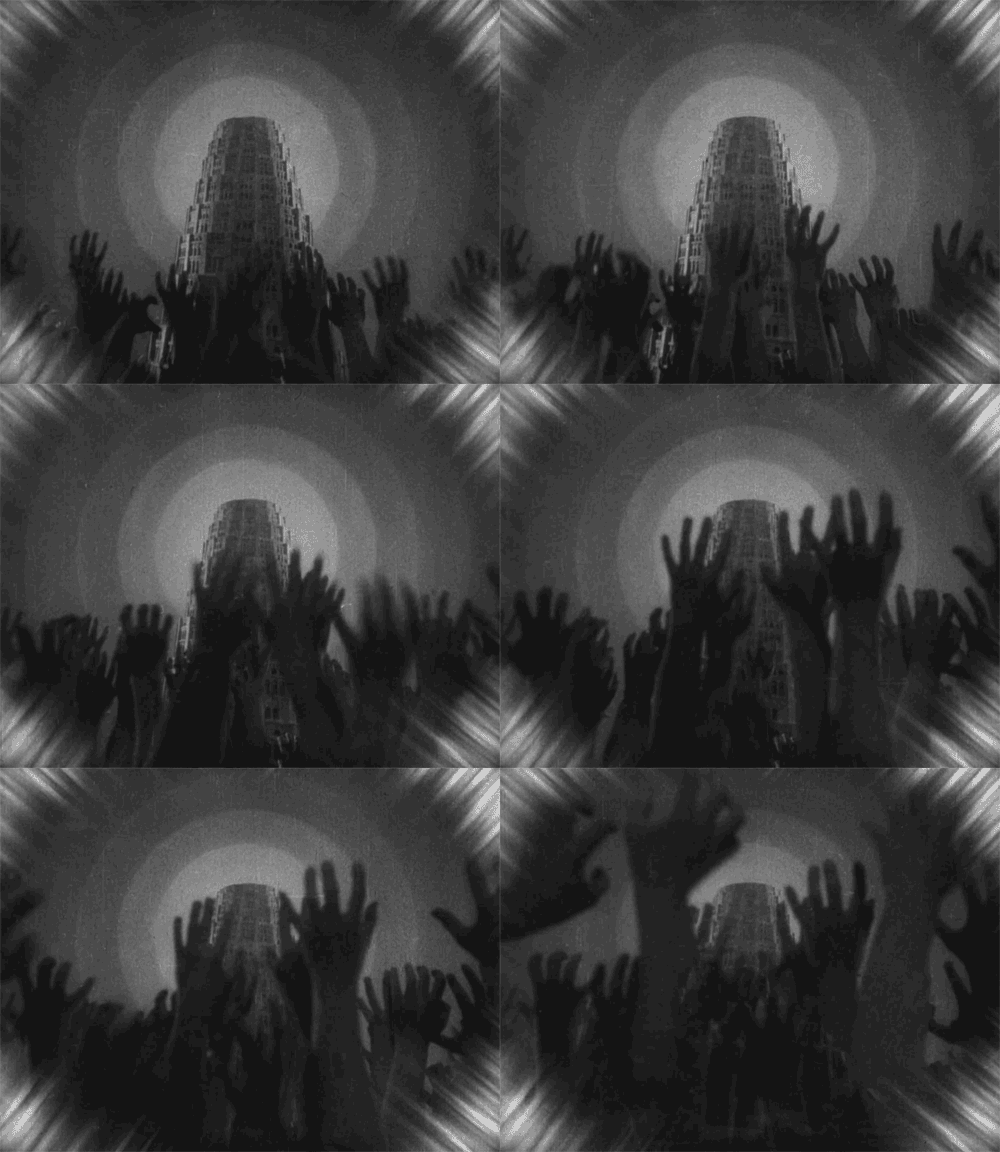
Conspiracy theories and mass paranoia: Large-scale distrust and suspicion towards perceived threats, often fueled by misinformation and confirmation bias. Examples include the QAnon conspiracy movement or the belief in alien abduction.
Cult mentality and mass movements: Blind devotion to charismatic leaders or ideologies, leading to extreme behaviors and potential harm. One could consider historical occurrences like the Jonestown massacre or the Nazi regime as extreme examples of this level.
The Abyss:
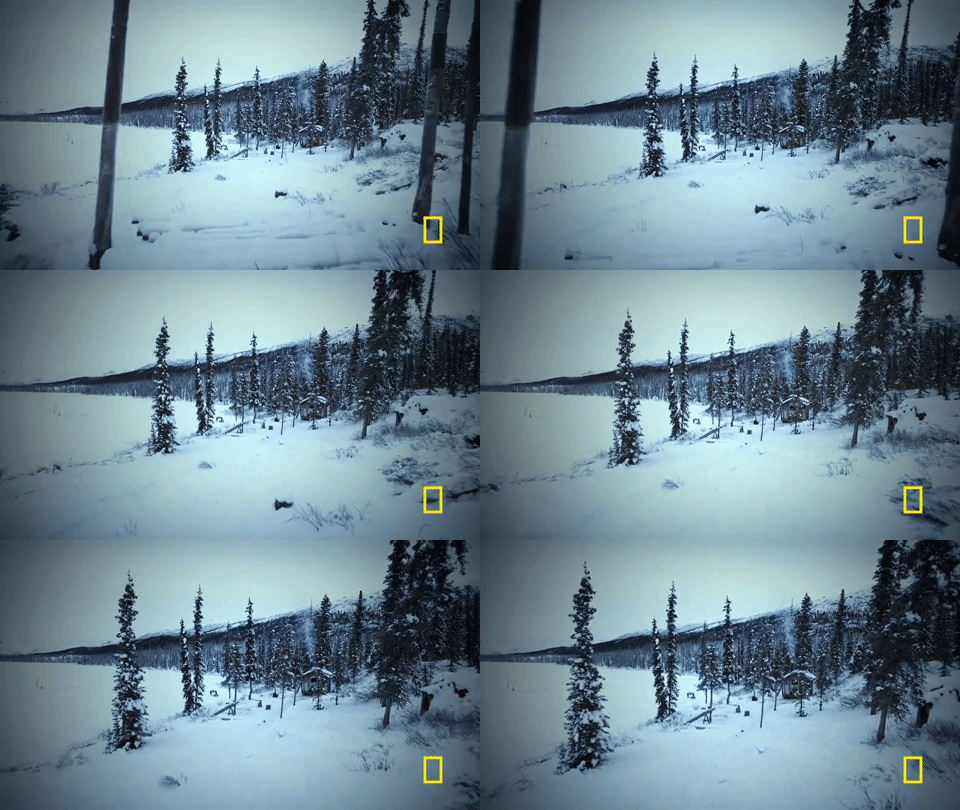
Unexplained phenomena: Events with no definitive explanation that some attribute to mass hysteria, like the Tunguska explosion or the Dyatlov Pass incident.
Potential external influences: Some theories suggest factors like electromagnetic waves or even telepathy could play a role in triggering mass hysteria, though such claims remain largely unproven.
Remember, the deeper you go, the more into speculation and unconfirmed theories you venture into. It's important to approach these layers with a critical eye and maintain a healthy skepticism.

About the Author
Arabella Eloise Sveinsdóttir, a.k.a. Arabella Elric from Reykjavík is a visual artist, actress, writer, model, content creator, voice actress, and vlogger of Íslendingar-Mongolian heritage and Filipino nationality. She is an active volunteer for different organizations and humanitarian groups, and an advocate for mental health.
🩰 Visual & Performing Artist 🟡
Email: arabellaelricart@gmail.com | https://linktr.ee/arabellaelric

